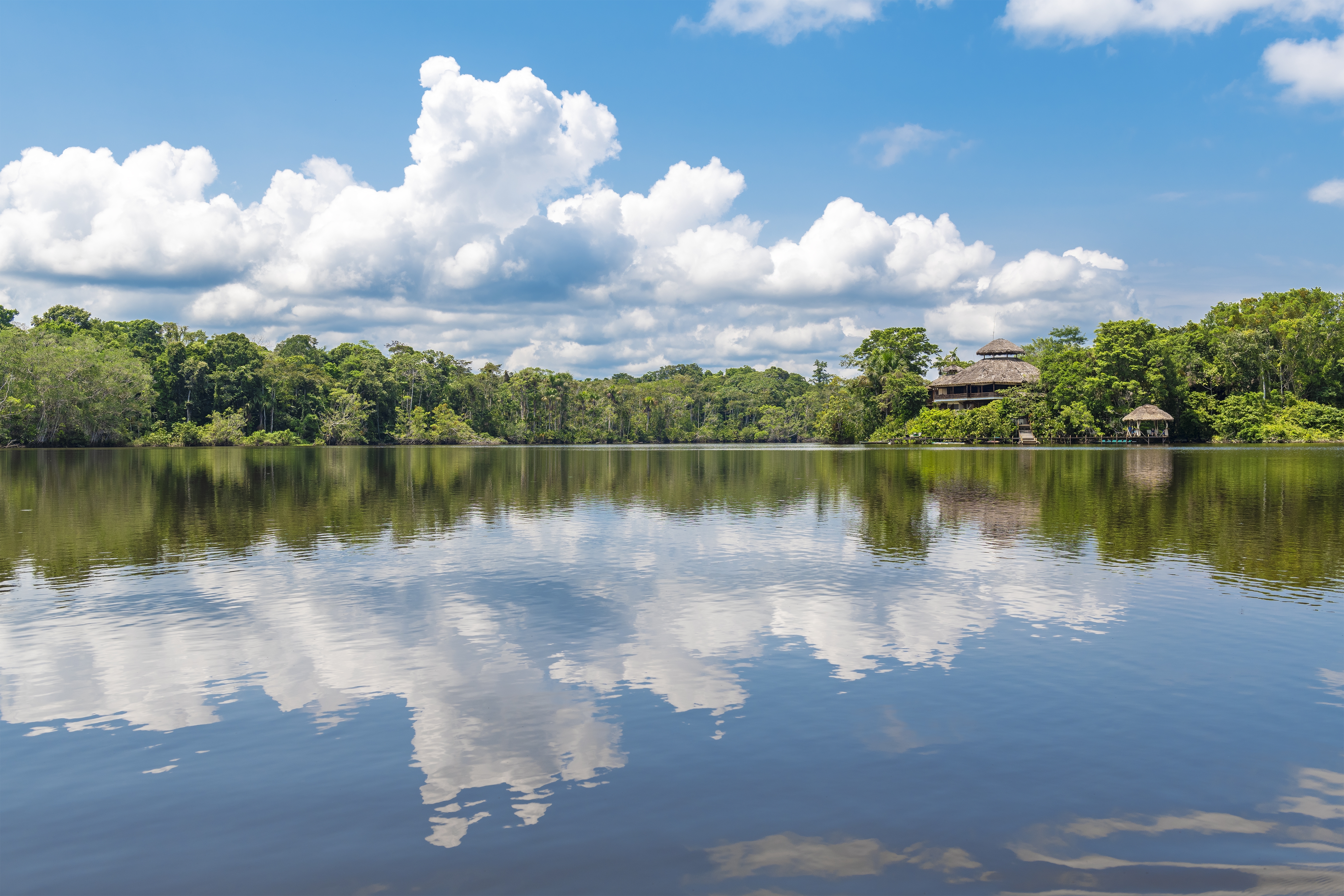
A New Corridor Reconnects One of Ecuador's Richest Rainforests
Yasuní National Park has long held a strange distinction among the world's protected areas: it is simultaneously one of the most biologically rich places on the planet and one of the most contested. Researchers have documented world records here for tree, amphibian, reptile, and bat diversity: a single hectare of Yasuní forest can hold more tree species than the entire United States and Canada combined, and an estimated 100,000 insect species, the highest concentration recorded anywhere on Earth. The park is also layered with oil infrastructure, and the roads built to service it have, over decades, opened once-remote forest to settlement, hunting, and clearing, steadily isolating Yasuní from the protected areas around it.
Ecuador has just taken a major step toward reversing that isolation.
A New Corridor, Officially Recognized
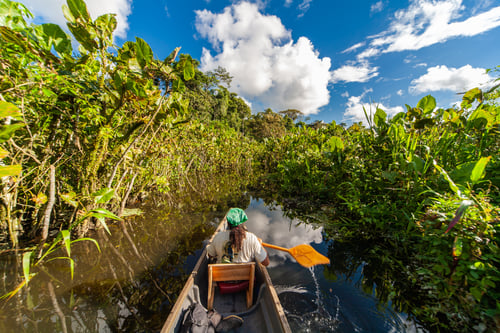
On July 23, 2026, Ecuador's Ministry of Environment and Energy formally announced the creation of the Yasuní-Limoncocha-Cuyabeno Connectivity Corridor, a designation covering roughly 173,396 hectares of Amazon rainforest across the provinces of Sucumbíos and Orellana. The decision, made by Environment Minister Juan Carlos Blum in late May, was published in Ecuador's Official Registry on June 18, 2026, making the designation official.
The corridor links three protected areas that had grown increasingly disconnected from one another: Yasuní National Park, the Limoncocha Biological Reserve, and the Cuyabeno Wildlife Production Reserve. In its announcement, the ministry called it a "historic step" for Amazon conservation, describing an approach built around three components: governance through indigenous and local community participation, protection of natural heritage, and sustainable productive activity, all designed to keep these ecosystems from becoming isolated islands.
Alicia Jaramillo, Ecuador's vice minister of environment, said the recognition reflects a state commitment to territorial management centered on biodiversity conservation, sustainable development, and the active participation of the communities who live in these territories.
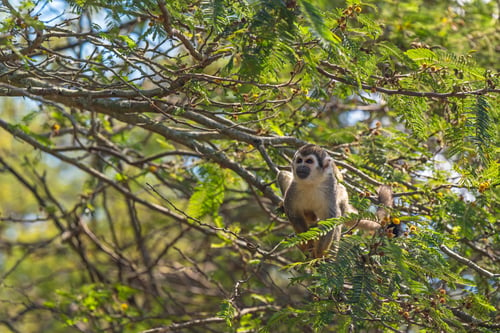
It's a significant addition to a landscape already known for extremes: press coverage of the announcement put the corridor's combined plant and animal diversity at nearly 8,000 species, including flagship animals like the jaguar and the pink river dolphin that need large, connected ranges to survive.
Ecuador's Fifth Connectivity Corridor
The Yasuní-Limoncocha-Cuyabeno Corridor isn't a one-off. It's the fifth corridor Ecuador has formally recognized in the past five years as part of a broader national strategy of "Special Areas for Biodiversity Conservation," designed to reconnect fragmented habitat across very different landscapes:
The Llanganates-Yasuní Altitudinal Corridor, recognized in March 2026, links the Andes with the Amazonian forests of the Yasuní Biosphere Reserve across roughly 216,000 hectares.
The Cuyabeno-Yasuní Connectivity Corridor, recognized in mid-2025 with technical support from the Wildlife Conservation Society, laid groundwork that the new, larger designation builds on.
Two additional corridors, the Biocorredor Andes Norte and the Llanganates-Sangay Ecological Corridor, protect connectivity in the northern Andes and along the Andean-Amazonian foothills, respectively.
Taken together, the strategy reflects a shift in how Ecuador approaches conservation: rather than only designating new standalone parks, the government is increasingly focused on the connective tissue between the protected areas it already has.
Why Connectivity Matters
Isolated parks can still lose species over time, even when the habitat inside their boundaries stays intact, because wildlife populations cut off from one another lose genetic diversity and can't easily recolonize areas after local declines. Corridors work differently than parks: rather than restricting human activity across a wide area, they're designed to weave together protected habitat, indigenous territory, and sustainable land use, giving both wildlife and people room to operate within the same landscape.
That model depends heavily on the communities who already call this stretch of Amazon home. The corridor's core areas include land tied to Ecuador's national "Conservación de Bosques" (Forest Conservation) program, located within Kichwa communities including Sani, El Pilchi, Santa Elena, Itaya, Parutu Yacu, Mandari Panga, Limoncocha, and San Francisco Chicta, as well as territories belonging to the Siona and Siekopai nationalities. These communities' participation in forest stewardship, including fishing, hunting, and small-scale agriculture guided by generations of ecological knowledge, is treated as central to the corridor's design, not incidental to it.
Visiting the Landscape the Corridor Protects
For travelers, Yasuní's reputation as remote wilderness undersells how accessible it actually is. Several Amazon lodges put the park and its surrounding forest within reach of a short flight or river journey from Quito.

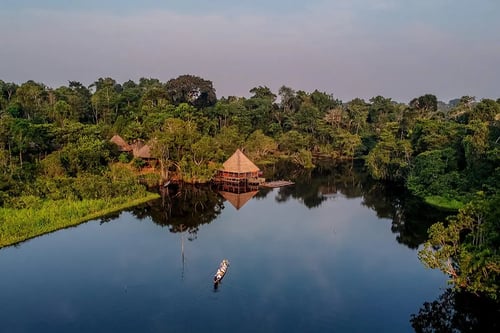
Sani Lodge, on the Río Napo within Yasuní National Park itself, is unique among Ecuador's ecolodges for being entirely owned and operated by an indigenous Kichwa community, one of the same Kichwa communities whose land now sits at the core of the new corridor. Staying here means direct engagement with the community-led conservation model the corridor is built around.
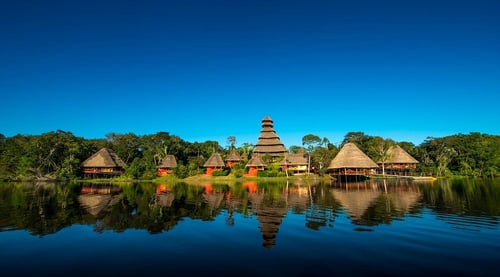
Napo Wildlife Center, near Coca on the edge of Yasuní, offers private lakeside cabanas alongside activities like canopy-tower birding, parrot clay licks, and visits with neighboring communities, an intimate way to experience one of the most intact remaining stretches of this forest.

Sacha Lodge, within its own 5,000-acre private reserve on the Napo River, is reached via a short flight from Quito followed by a canoe trip upriver, and offers canopy bridge walks, black-water lake swims, and a reserve recorded to hold hundreds of bird species.
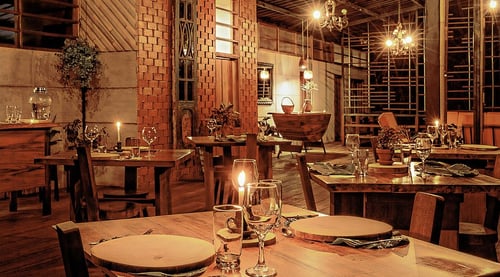
Kuyana Amazon Lodge, on the Hollín River roughly three and a half hours from Quito, provides an easier-to-reach gateway into the region's rainforest, built around sustainably sourced, community-supported hospitality.
Together, these lodges make it possible to experience firsthand the landscape Ecuador's new corridor was created to protect, not as an untouched wilderness, but as a place where conservation and local communities can thrive side by side.