LEONARDO DA VINCI
1452 – 1519
A Traveler's Biography
I. The Tuscan Origins: Vinci & Florence (1452–1482)
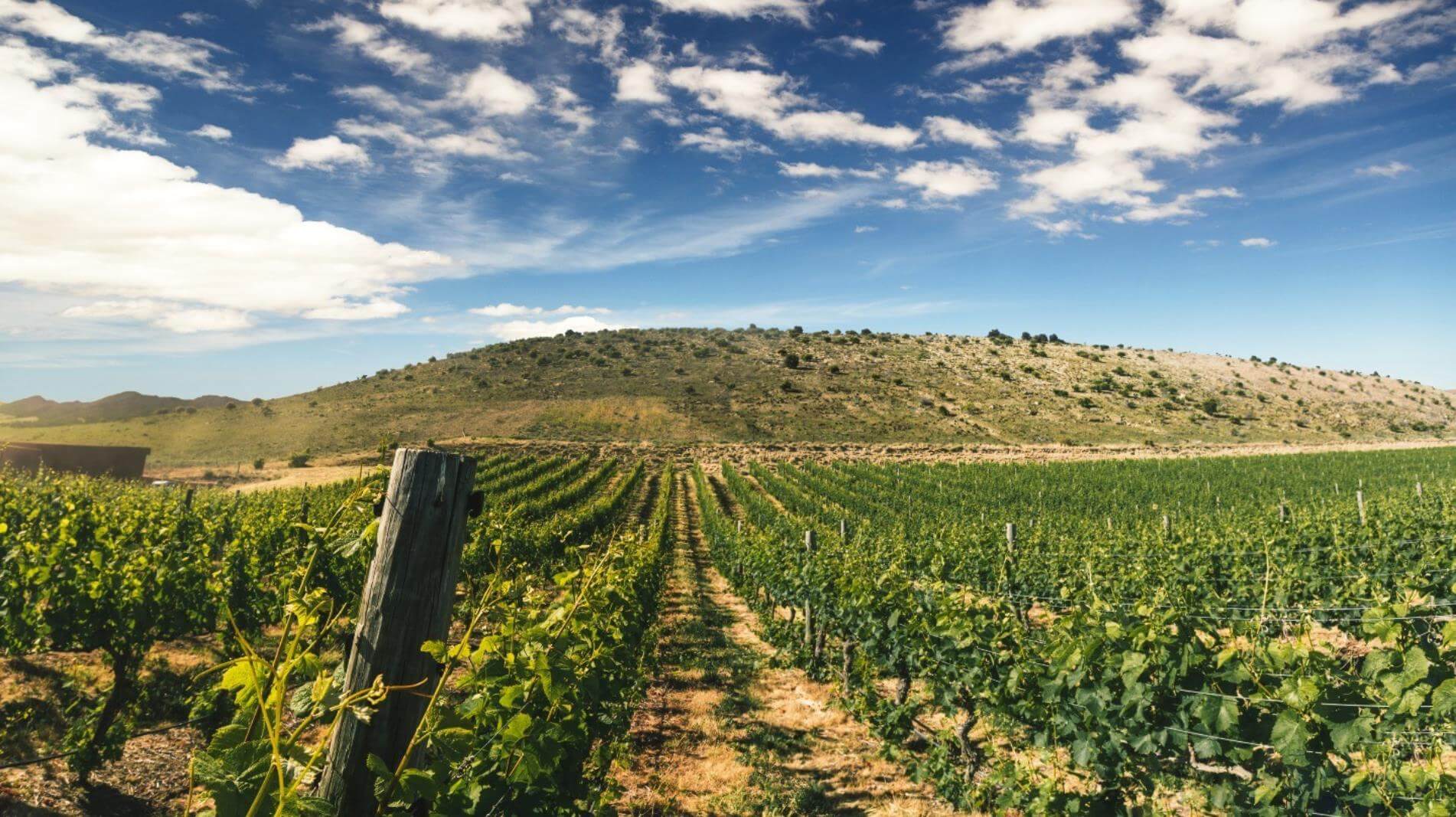
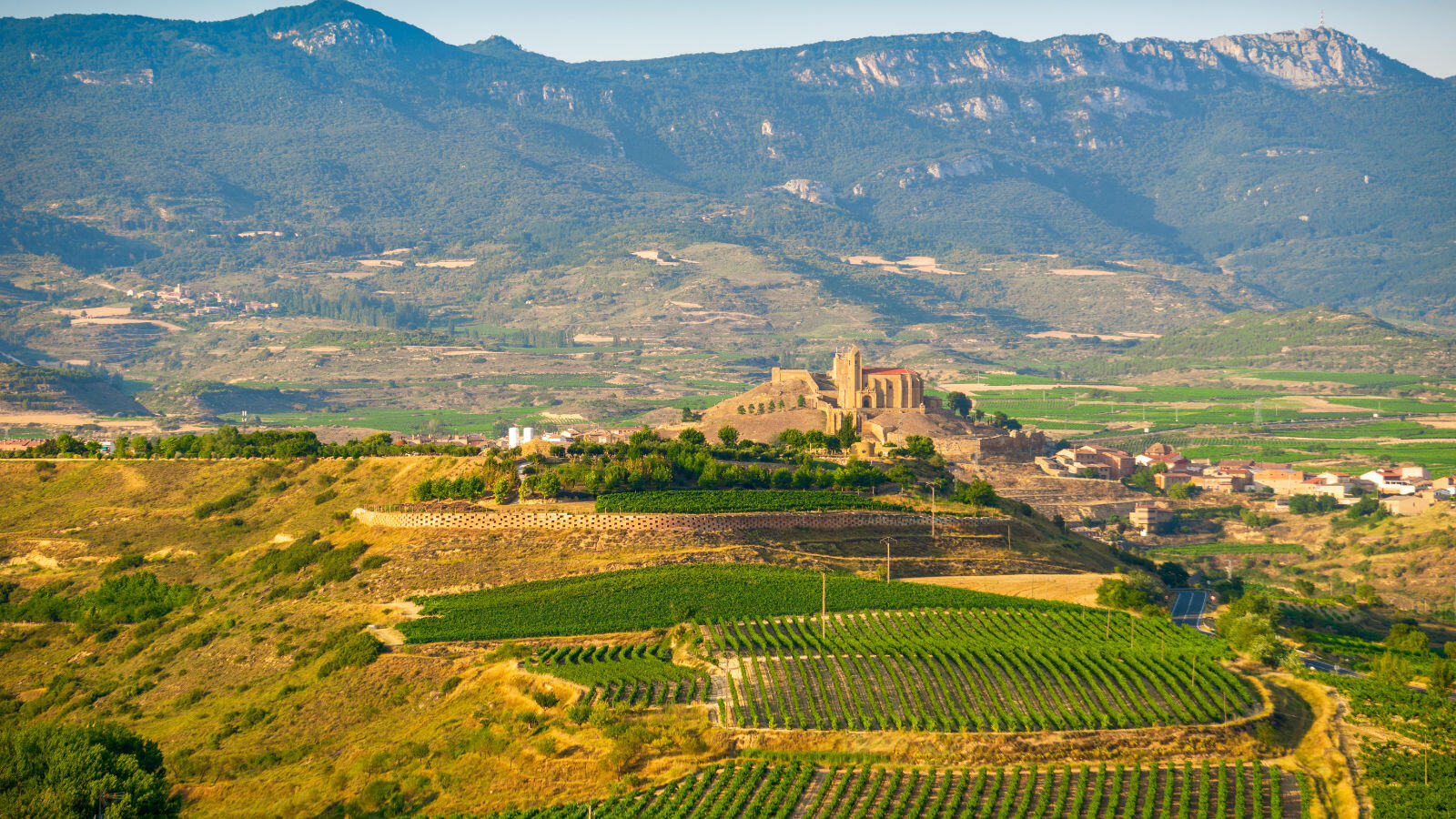
Leonardo da Vinci was born on April 15, 1452, near the small hilltop town of Vinci, in the Tuscan countryside west of Florence. The illegitimate son of a notary and a peasant woman, he grew up in the hamlet of Anchiano surrounded by vineyards and olive groves. The particular quality of Tuscan light — misty, layered, atmospheric — shaped his eye for the rest of his life.
📍 Birthplace of Leonardo, Anchiano — the farmhouse where Leonardo was born is open to visitors
📍 Museo Leonardiano, Vinci — models of his inventions across two historic buildings in the village center
✈ Visitor's Tip: Vinci is a charming, uncrowded destination. Visit in spring or autumn for the best Tuscan light. We recommend renting a car in order to visit Vinci, about 40 km west of Florence — roughly a 45–55 minute drive via the FI-PI-LI highway (Firenze–Pisa–Livorno), exiting toward Empoli/Vinci. The roads are well-signed and the drive is scenic through Tuscan hills.
Around 1466 Leonardo moved to Florence to apprentice with the artist Andrea del Verrocchio. Florence was then the intellectual and artistic capital of Europe, buzzing with humanist ideas and Medici money. Leonardo absorbed it all — painting, sculpture, engineering — and quickly outgrew the workshop. Several of his early works survive in the city.
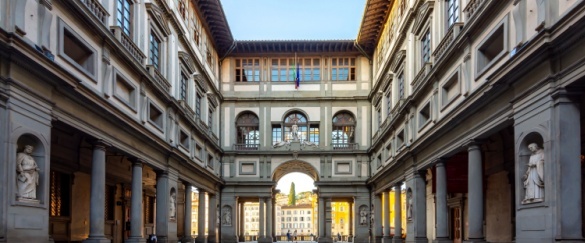
📍 Uffizi Gallery, Florence — The Annunciation, the Baptism of Christ, and the unfinished Adoration of the Magi
✈ Visitor's Tip: Book Uffizi tickets well in advance, especially in summer. Leonardo's works are in Room 35. Allow at least half a day; a guided tour helps place the paintings in their Renaissance context.
— ◆ —
II. The Milanese Court (1482–1499)
At thirty, Leonardo left Florence for Milan, offering his services to Duke Ludovico Sforza. He spent nearly seventeen years at the Sforza court, working on an astonishing range of projects: military engineering, theatrical spectacles, anatomical studies, architectural plans, and painting. Milan gave him the time and resources to let his curiosity run completely free.
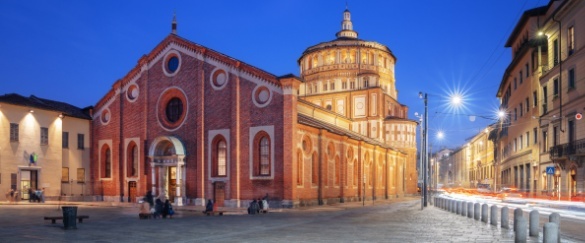
The supreme achievement of these years — and one of the greatest works in all of Western art — is The Last Supper, painted on the refectory wall of Santa Maria delle Grazie between 1495 and 1498. Leonardo's experimental technique caused the work to begin deteriorating almost immediately, giving it the haunting, fragile quality it retains today.
📍 Santa Maria delle Grazie, Milan — The Last Supper; UNESCO World Heritage Site
✈ Visitor's Tip: Entry is strictly timed (15 minutes per group) and tickets sell out months in advance. Book directly through the official website as early as possible. Photography is not permitted inside.
📍 Museo Nazionale della Scienza e della Tecnologia, Milan — an entire wing dedicated to Leonardo's machines and inventions
✈ Visitor's Tip: Ideal for families and engineering enthusiasts. Working models of flying machines, hydraulic devices, and urban plans reveal a very different side of Leonardo from the painting galleries.
— ◆ —
III. Florence, Wandering & the Mona Lisa (1500–1516)
When the French invaded Milan in 1499, Leonardo left and spent the next decade moving between Florence, Venice, and Rome. Back in Florence he worked on large-scale commissions, including a mural for the Palazzo Vecchio — a work that was never finished and is now almost certainly lost, though some believe traces survive beneath later frescoes.
📍 Palazzo Vecchio, Florence — the Salone dei Cinquecento where Leonardo worked is open to visitors
✈ Visitor's Tip: Often overlooked in favor of the Uffizi next door, the Palazzo Vecchio is a magnificent building. Some researchers believe Leonardo's lost mural still lies behind one of Vasari's walls — one of art history's great unresolved mysteries.
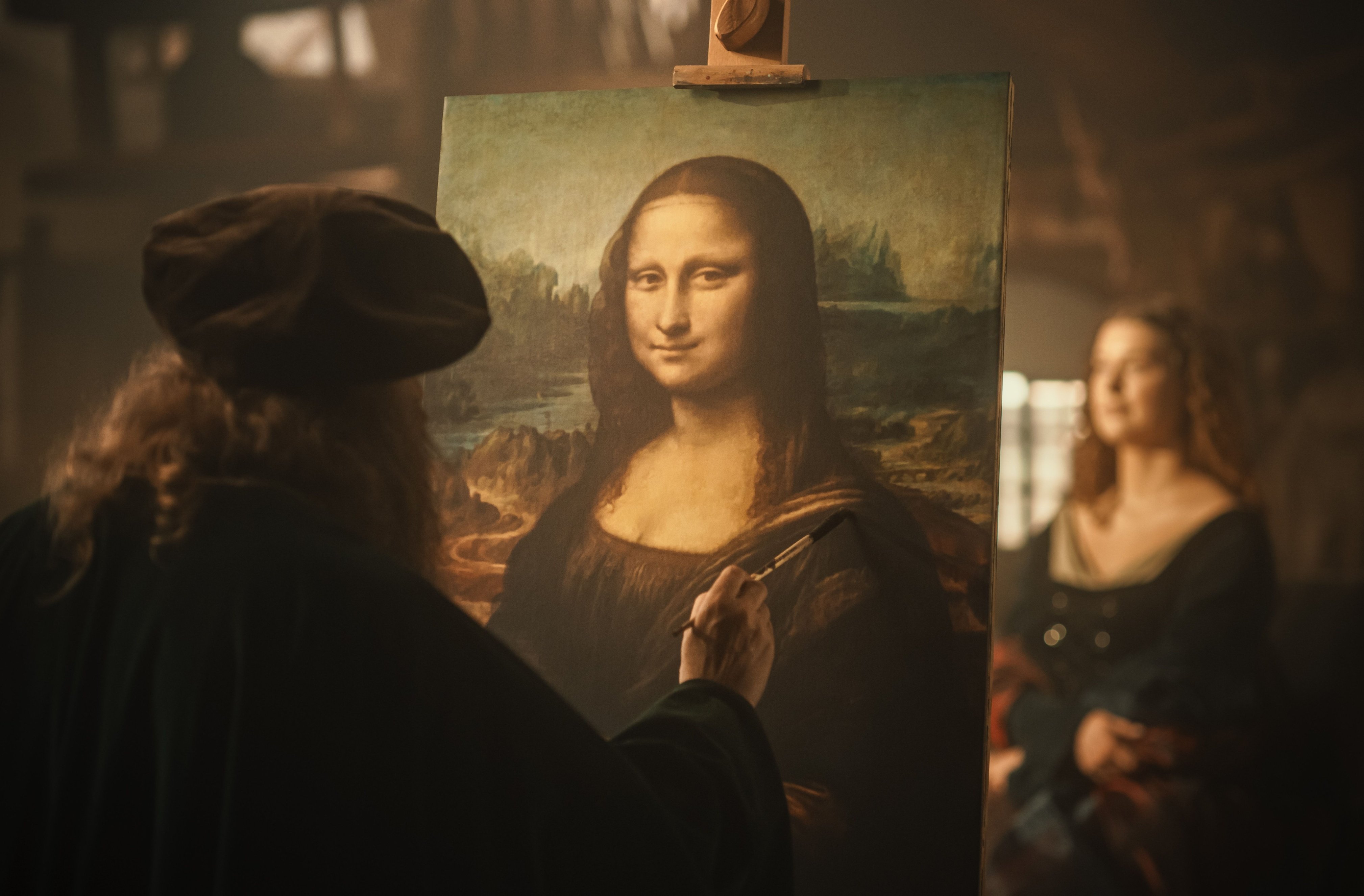
It was during this period that Leonardo began the Mona Lisa, working on it for years and never handing it over to the man who commissioned it. He kept the painting with him for the rest of his life. It eventually passed into the French royal collection and now hangs in Paris.
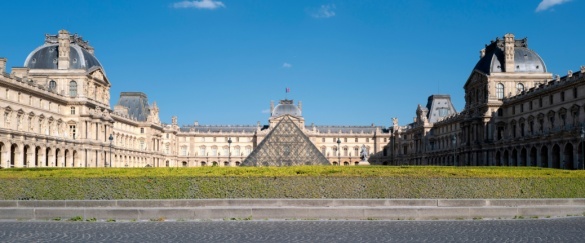
📍 The Louvre, Paris — the Mona Lisa, The Virgin of the Rocks, Saint John the Baptist, and La Belle Ferronnière
✈ Visitor's Tip: The Mona Lisa is in Room 711, often surrounded by large crowds. Arrive when the museum opens and head straight there. Leonardo's other Louvre works, slightly less mobbed, are equally worth your time.
— ◆ —
IV. London & Windsor: The Drawings
While Italy and France hold Leonardo's paintings, England holds something equally precious: around 600 of his drawings, now part of the Royal Collection at Windsor Castle. These sheets — studies of anatomy, geology, water, horses, and human faces — offer the most intimate view of his restless, ranging mind. London's National Gallery also holds two major works.
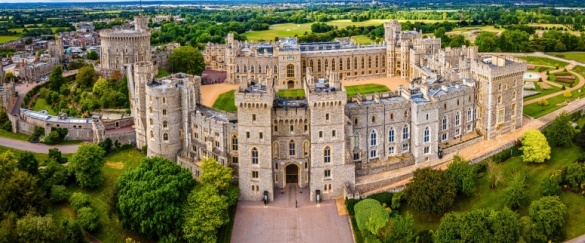
📍 Windsor Castle, Royal Collection — rotating exhibitions of Leonardo's drawings
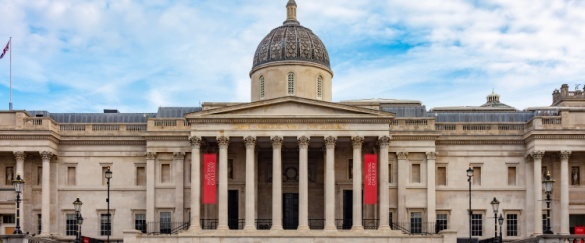
📍 National Gallery, London — The Virgin of the Rocks (London version) and the Burlington House Cartoon
✈ Visitor's Tip: The National Gallery's Leonardo works are free to visit and often less crowded than their Paris equivalents. The Burlington House Cartoon is displayed in a dim room to protect the delicate chalk — let your eyes adjust and the image reveals itself gradually.
— ◆ —
V. The Final Years: Amboise (1516–1519)
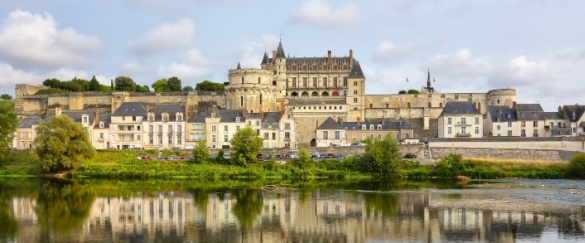
In 1516, the French king Francis I invited the sixty-four-year-old Leonardo to settle in the Loire Valley, installing him in the Château du Clos Lucé — a comfortable manor in Amboise connected by an underground passage to the royal residence nearby. Leonardo brought his notebooks and three paintings, including the Mona Lisa. The king and the old master became close friends, spending long hours in conversation.
Leonardo died on May 2, 1519, at the age of sixty-seven. He is believed to be buried in the Chapel of Saint-Hubert, within the grounds of the Château d'Amboise — a short walk from the house where he spent his final years.
📍 Château du Clos Lucé, Amboise — Leonardo's final home; museum with period rooms, reconstructed machines, and a park with life-size models
📍 Château Royal d'Amboise — Leonardo's presumed burial place in the Chapel of Saint-Hubert
✈ Visitor's Tip: Amboise is one of the finest towns in the Loire Valley. Clos Lucé and the royal château are minutes apart on foot. The park at Clos Lucé, with full-scale flying machines set among gardens, is magical at dusk.
— ◆ —
A Traveler's Epilogue
To follow Leonardo's biography is to trace a path across half of Europe — Tuscan hills, Milanese court, Florentine workshops, Parisian palaces, English country houses, the gentle Loire. Each place gave him something different, and each still carries traces of his presence. From the quiet farmhouse in Anchiano to the chapel in Amboise, the sites in this biography together form a portrait of a man who, in five centuries, we have still not fully understood.
— ◆ —
Recommended Da Vinci Tours
FLORENCE WALKING TOUR WITH GUIDE
PLUS UFFIZI AND ACADEMY ENTRANCE
Private | Florence | 6 Hours
Florence, cradle of the Italian Renaissance, is where Leonardo da Vinci trained and produced his earliest masterpieces. The Uffizi — one of the world's great painting collections — displays his Annunciation and his contribution to Verrocchio's Baptism of Christ, offering a rare glimpse of his genius in its formative years. Beyond the galleries, a stroll through the city center takes in Giotto's bell tower, Piazza della Signoria, and the Ponte Vecchio — the Florence Leonardo himself walked daily.
— ◆ —
LAST SUPPER TOUR
Shared | Milan | 1 Hour
This guided visit offers skip-the-line access to Leonardo's Last Supper, one of the world's most celebrated works. A local expert will walk you through Leonardo's revolutionary use of perspective and emotional expression, the moment depicted — Christ announcing his betrayal — and the conservation challenges posed by his experimental technique. A rich and memorable encounter with Milan's greatest cultural treasure.
— ◆ —
THE BEST OF THE LOUVRE MUSEUM GUIDED TOUR
Private | Paris | 3 Hour
The Louvre is the world's most visited museum and home to Leonardo da Vinci's Mona Lisa — arguably the most famous painting ever made. This tour brings the work to life, exploring the mystery and mastery behind Leonardo's technique, his revolutionary approach to portraiture, and the extraordinary story of how this intimate panel painting became a global icon. Your expert guide will also lead you through the Louvre's wider Leonardo holdings and the museum's greatest treasures, spanning centuries of art history across 300 rooms. Originally a royal palace, the Louvre is a destination in itself — and this tour ensures you see the best of it, including the works that most visitors walk straight past.
— ◆ —
ENTRANCE TO WINDSOR CASTLE
Self-Guided | From London
Windsor Castle, the oldest and largest occupied castle in the world, holds a remarkable secret for Leonardo da Vinci enthusiasts: the Royal Collection, displayed in the castle's magnificent State Apartments, includes paintings attributed to Leonardo among works by Rembrandt and Rubens. But the true Leonardo treasure at Windsor lies in the collection's drawings — some 600 sheets by Leonardo's hand, the largest such holding in the world, offering an unparalleled window into his restless, ranging mind. A visit to Windsor combines this extraordinary artistic heritage with the grandeur of a working royal palace, the Gothic splendor of St George's Chapel, and the pageantry of the Changing of the Guard.
— ◆ —
GUIDED TOUR AT THE NATIONAL GALLERY
Private | London | 1 Hour
The National Gallery in London's Trafalgar Square is home to two outstanding works by Leonardo da Vinci: The Virgin of the Rocks and the haunting Burlington House Cartoon — a large-scale preparatory drawing in chalk that ranks among the most mesmerizing works on paper anywhere in the world. An expert Blue Badge guide will bring these masterpieces to life, exploring Leonardo's extraordinary technique, his use of light and shadow, and his place within the wider story of Renaissance art told across the Gallery's 2,600-strong collection. Entry is free, and the collection is open year-round.
— ◆ —
CHATEAU D`AMBOISE AND CHATEAU DU CLOS LUCE TOUR
Private | From Loire Valley | 4 Hours
Amboise was the final chapter of Leonardo da Vinci's extraordinary life. Invited by King François I, he spent his last three years at the Château du Clos Lucé, a graceful manor connected by underground passage to the royal Château d'Amboise nearby. This tour takes you through both: the magnificent royal castle overlooking the Loire, and Leonardo's own residence, where you will discover his remarkable friendship with the king, marvel at his inventions — many still influential today — and stroll the gardens where he found inspiration in his final years. A deeply moving encounter with the place where one of history's greatest minds came to rest.
— ◆ —
Ready to Send Your Clients on Their Next Great Adventure?
.png?width=152&height=46&name=MicrosoftTeams-image%20(10).png)
These tours offer the authentic, immersive experience today's travelers are craving — and with the right planning, you can deliver unforgettable journeys that keep clients coming back for more. Find more info on destinations and featured products in the digital version of our new Europe print brochure by clicking below.